



Most advice on supplements that increase glp 1 starts in the wrong place. It starts with a shopping list. Berberine. Fiber. Probiotics. Maybe curcumin if the brand wants a longer label.
A better place to start is with a harder question: what exactly are you trying to reproduce? Prescription GLP-1 drugs act directly on a pathway that has produced up to 21% weight reduction in clinical trials for medications like semaglutide and tirzepatide, according to Geisinger’s review of GLP-1 booster supplements. Over-the-counter products don’t do that. They don’t contain the synthetic GLP-1 hormone. They mostly contain nutrients or plant compounds that may influence your own signaling indirectly.
That doesn’t make them useless. It makes them easy to misread.
For lifters, endurance athletes, and anyone tracking body composition, the primary value isn’t in chasing a fake “natural Ozempic.” It’s in identifying which ingredients have a plausible mechanism, what the evidence demonstrates, and how to use them without wrecking training quality, appetite, or blood sugar control. If you’ve browsed GLP support supplement guides for athletes, you’ve already seen how crowded this category has become.
This is the framework I’d use as both a nutrition researcher and someone who cares what happens in the gym the next morning.
Table of Contents
- The Truth About GLP-1 Supplements in a Post-Ozempic World
- What Is GLP-1 and How Do Supplements Claim to Affect It
- Evidence-Backed Supplements for GLP-1 Support
- Other Natural Compounds with Emerging GLP-1 Research
- How to Vet GLP-1 Supplements and Avoid Red Flags
- Frequently Asked Questions About GLP-1 Supplements
The Truth About GLP-1 Supplements in a Post-Ozempic World
The biggest mistake in this market is assuming a shared acronym means shared effect. It doesn’t.
Prescription GLP-1 medications became famous because they work powerfully enough to change body weight, appetite, and glucose control in a clinically meaningful way. That success created a second market. Supplement brands realized they could attach “GLP-1” to capsules, gummies, powders, and blends even though dietary supplements don’t require FDA approval or clinical data to support their marketing claims, as explained in Geisinger’s analysis of GLP-1 supplement regulation and consumer risk.
That regulatory gap matters more for athletes than most marketing copy admits. If you care about body composition, hunger control, and blood sugar stability, you need a product category where the mechanism is clear, the dosing is transparent, and the ingredient quality is checkable. Many GLP-1-branded supplements fail all three tests.
What the smart reader should notice
A supplement can still be useful without being comparable to a drug. But the burden of proof changes.
When a brand uses the same language as a prescription therapy, ask three things:
- What is the active ingredient really doing. Is it slowing breakdown of endogenous GLP-1, changing gut fermentation, or just borrowing the trend?
- How direct is the pathway. A mechanism tied to DPP-4 inhibition is different from a vague promise to “support satiety.”
- What would count as success for you. Less snacking, steadier appetite, easier calorie control, or better post-meal glucose handling are realistic targets. Drug-like fat loss isn’t.
Bottom line: In this category, the main risk isn’t only wasting money. It’s mistaking weak indirect support for direct pharmacology.
That’s why the best way to evaluate supplements that increase glp 1 isn’t by popularity. It’s by mechanism, evidence quality, and how they fit into actual training nutrition.
What Is GLP-1 and How Do Supplements Claim to Affect It
GLP-1 is part of your body’s meal-response system. Think of it as a metabolic message sent after you eat. That message helps regulate appetite, slows how quickly food leaves the stomach, and supports insulin release after meals.
The important detail is that GLP-1 is a hormone your body produces, not a generic wellness concept. That distinction gets lost fast once supplement marketing enters the picture.
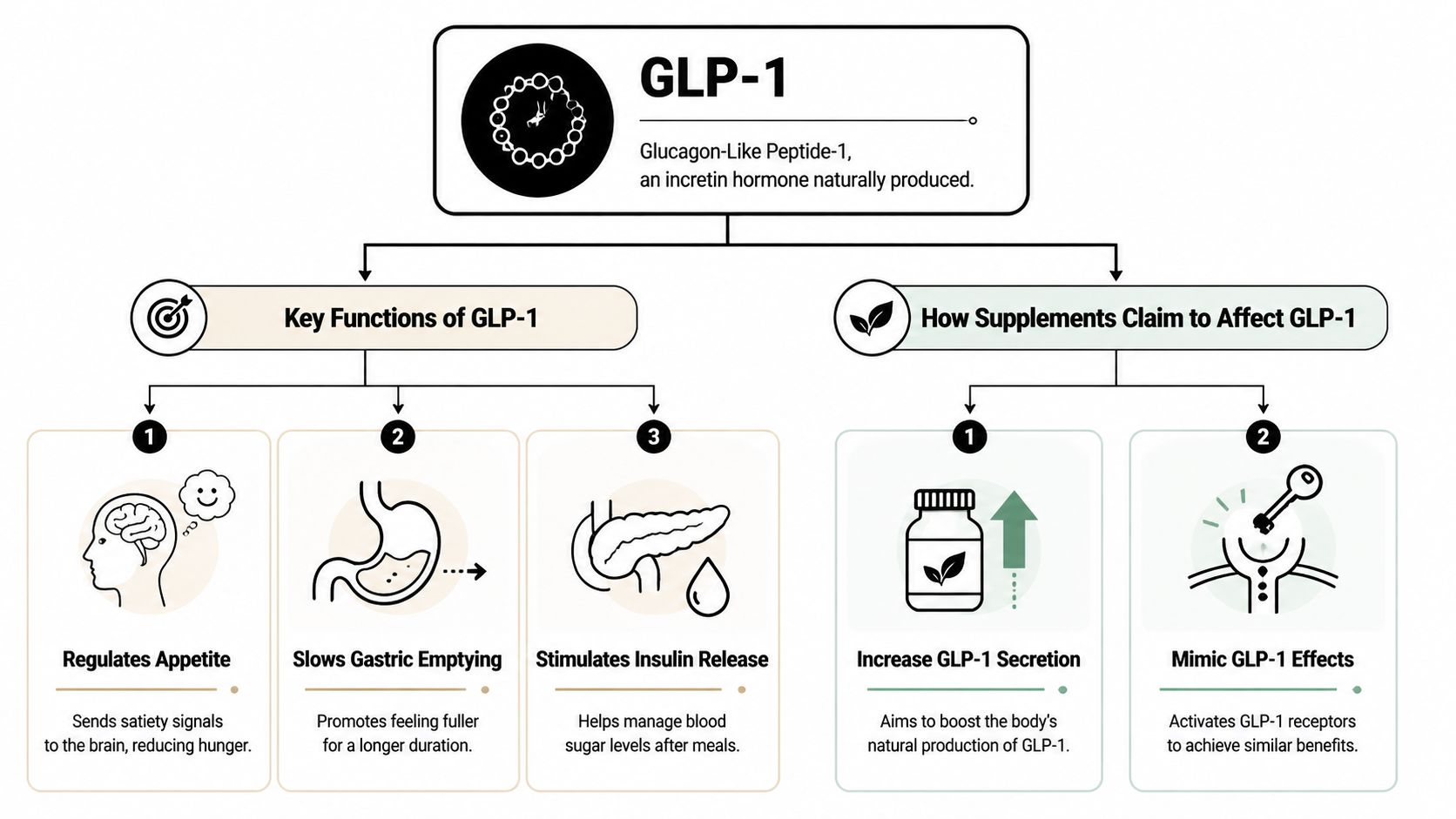
GLP-1 is a signal, not a magic ingredient
When GLP-1 rises naturally after a meal, you tend to feel more satisfied, digestion slows, and glucose handling improves. For athletes, that can matter in practical ways. Better satiety can help in a cut. Slower gastric emptying can change how a meal feels before training. Improved meal-related glucose control may matter if you’re trying to avoid big swings in energy and appetite.
Supplements don’t inject GLP-1 into that system. They usually claim one of two things:
- They help your body secrete more of its own GLP-1
- They reduce the breakdown of the GLP-1 you already produce
Those are very different claims from what a prescription GLP-1 receptor agonist does. Drug therapies act directly and predictably on the receptor pathway. Supplements are indirect. Their effects, when present, are usually smaller, more variable, and more dependent on diet, training load, and baseline metabolic status.
If you’re also looking at broader blood sugar and metabolic support strategies for athletes, that context matters. A supplement that slightly improves satiety in a fiber-poor diet may do almost nothing in someone who already eats high protein, trains hard, and structures meals well.
Why the label can be misleading
The current market grew because consumers wanted a cheaper, simpler alternative to prescription drugs. Geisinger notes that experts have called the practice of using “GLP-1” in supplement names deceptive because these products contain natural ingredients such as berberine, probiotics, and plant extracts, not the synthetic hormone itself, in their review of the GLP-1 supplement category.
That doesn’t mean every product is a scam. It means the name on the bottle tells you almost nothing.
A useful way to decode the category is this:
- Best case: the product contains a known ingredient with a plausible pathway and honest dosing.
- Middle case: it contains ingredients that may support appetite or gut health indirectly, but the GLP-1 angle is overstated.
- Worst case: it uses “GLP-1” as branding for a proprietary blend that hides dose, standardization, and testing.
The phrase “boosts GLP-1” should trigger curiosity, not trust.
That mindset separates a decent adjunct from expensive label theater.
Evidence-Backed Supplements for GLP-1 Support
If you strip away the hype, two ingredients stand out for different reasons. Whey protein has the cleaner mechanism. Berberine has broader metabolic actions, but its practical effect is more modest than the internet usually claims.
Whey protein has the clearest mechanism
Whey matters here because it does something rare in sports nutrition. It offers a GLP-1-related pathway that isn’t hand-wavy.
Healthline’s review states that whey protein functions as a GLP-1 agonist by providing bioactive compounds that inhibit DPP-4, the enzyme that degrades GLP-1, and that a 2023 review established this mechanism in the literature, as summarized in their breakdown of supplements that may increase GLP-1. In plain English, if DPP-4 breaks GLP-1 down, then inhibiting DPP-4 helps your body keep more of its own GLP-1 signal around.
For an athlete, that’s attractive because whey already has a job. It supports protein intake, recovery, and muscle-building nutrition. The GLP-1 angle is a secondary benefit, not the only reason to use it.
There’s a practical nuance most “top GLP-1 supplements” roundups miss. The bioactive compounds tied to this effect include lactoferrin, glutamine, and immunoglobulins. That means not every whey product is functionally identical. Highly processed isolates may differ from concentrates in the compounds that matter for this mechanism.
Practical rule: If you’re using whey for this purpose, don’t evaluate it like a generic protein number on a label. Evaluate source, processing, and whether the brand tells you anything meaningful beyond grams of protein.
Berberine has broader effects, but a smaller payoff
Berberine works through a messier, more system-wide route. According to Midi’s review of GLP-1-related supplements, it can modulate gut bacteria and regulate genes involved in appetite peptides including GLP-1. That makes it more than a simple appetite aid. It acts through microbiome and metabolic signaling pathways that can affect how food is handled.
The same source reports an average of around 1.8 pounds of weight loss in supplementation studies, with better outcomes in people who are overweight. That’s real. It’s also modest.
For data-driven athletes, the key insight isn’t “berberine works” or “berberine doesn’t work.” It’s that response probably depends on the starting point. Someone with clear issues in appetite regulation, blood sugar handling, or excess body weight may notice more than a lean athlete already eating a high-protein, high-fiber diet with consistent training.
Here’s the comparison that matters.
| Supplement | Primary Mechanism | Evidence Strength | Typical Daily Dose | Key Consideration |
|---|---|---|---|---|
| Whey protein | DPP-4 inhibition that helps preserve endogenous GLP-1 | Stronger mechanism clarity | Intake should fit the 1.6 to 2.2 g/kg body weight protein range noted for hypertrophy in Healthline’s review | Product processing may affect useful bioactive compounds |
| Berberine | Gut microbiome modulation and regulation of appetite-related genes including GLP-1 | Mixed but meaningful | Lower-start strategy discussed in safety section | Weight loss effect is modest, and response varies by baseline metabolic status |
Three takeaways matter more than the table itself:
- Whey is easier to justify because you’d use it anyway for performance nutrition.
- Berberine is more conditional because the likely responder profile is narrower.
- Any product that combines both with hidden dosing deserves extra scrutiny, especially if it leans on trend language instead of ingredient transparency.
If you read enough evidence-based supplement analysis for strength athletes, a pattern emerges. The best ingredients usually have one clear reason to buy them and one possible bonus. Whey fits that pattern. Berberine can, but only when you respect its limits.
Other Natural Compounds with Emerging GLP-1 Research
There are more ingredients in this conversation than whey and berberine. That doesn’t mean they belong in the same tier.
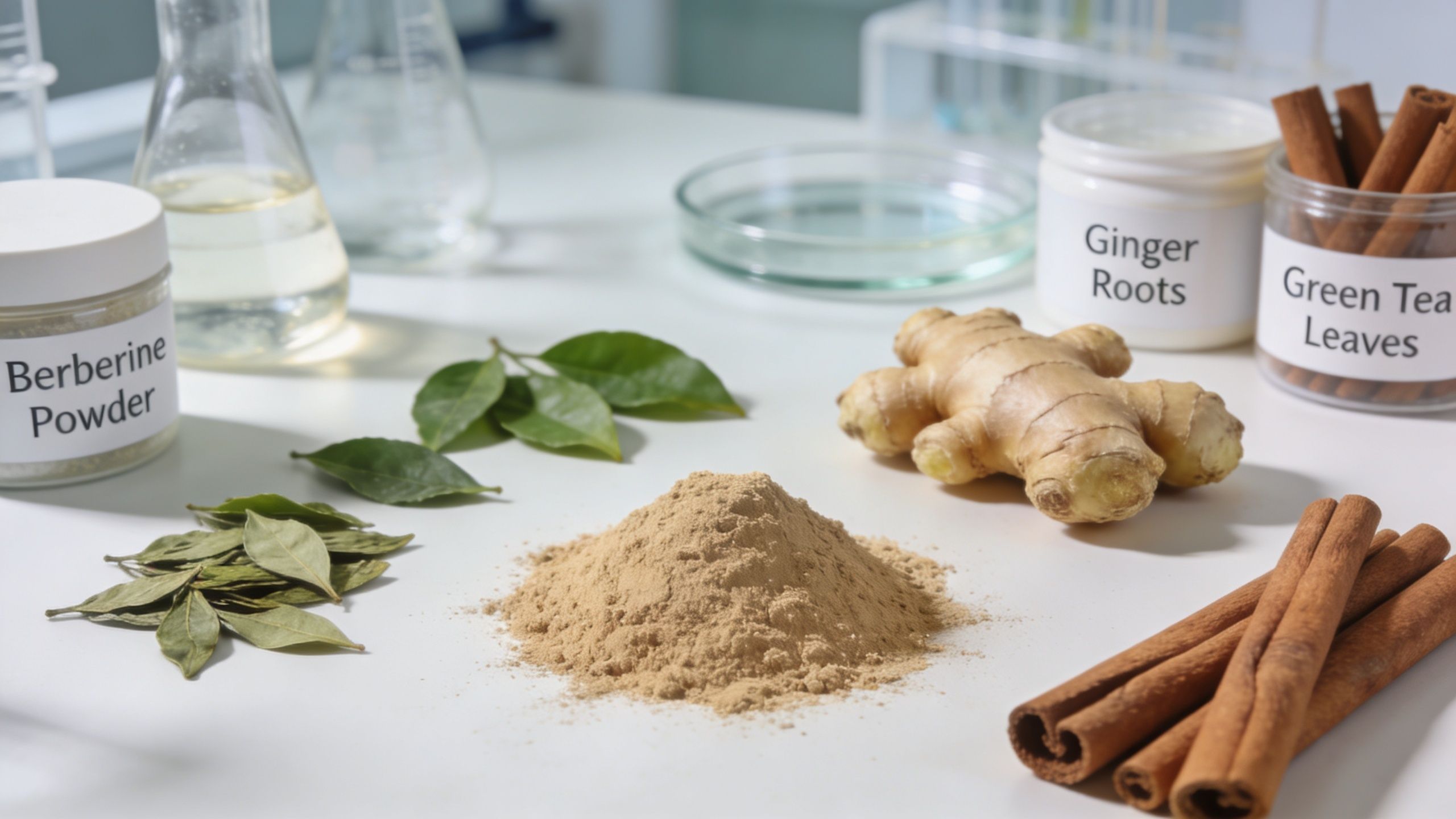
Promising categories, uneven evidence
The most common second-tier ingredients are probiotics, soluble fibers such as psyllium, and plant compounds like curcumin, ginseng, and yerba mate. The logic behind them is usually one of two ideas. Either they alter the gut environment in a way that may encourage GLP-1 signaling, or they influence appetite and glucose regulation through adjacent pathways.
That’s a reasonable hypothesis. It isn’t the same as reliable human performance data.
The athlete-specific gap is important here. General wellness articles often mention Lactobacillus and Bifidobacterium strains, psyllium, curcumin paired with black pepper, or yerba mate extracts. What they rarely address is how these compounds behave in a lifter who also uses whey, creatine, pre-workout caffeine, and a high-carb peri-workout plan. They also rarely tell you whether the evidence is human, animal, or mechanistic only.
A good example of that caution is berberine itself. Even though it’s stronger than most ingredients in this tier, Midi’s overview of berberine and GLP-1-related weight effects still frames the average result as modest and variable.
What a cautious athlete should conclude
Use these compounds as supporting tools, not centerpieces.
- Probiotics may make more sense when the goal is gut support first and GLP-1 support second.
- Fiber supplements are usually more convincing when they improve satiety, digestion, and meal control in an obvious way you can feel.
- Curcumin, ginseng, and similar extracts belong in the “interesting, but not decisive” category unless a formula gives transparent dosing and a reason for inclusion beyond label decoration.
Some ingredients may help nudge the system. Very few justify the way brands market them.
If you’re considering berberine-focused weight loss content and products, the smarter move is to compare any blend against a simple question: would each ingredient still earn its place if the words “GLP-1” disappeared from the front of the bottle?
That one filter removes a lot of noise.
How to Vet GLP-1 Supplements and Avoid Red Flags
This category rewards skepticism. The label tells you whether a product deserves a test run long before your body does.
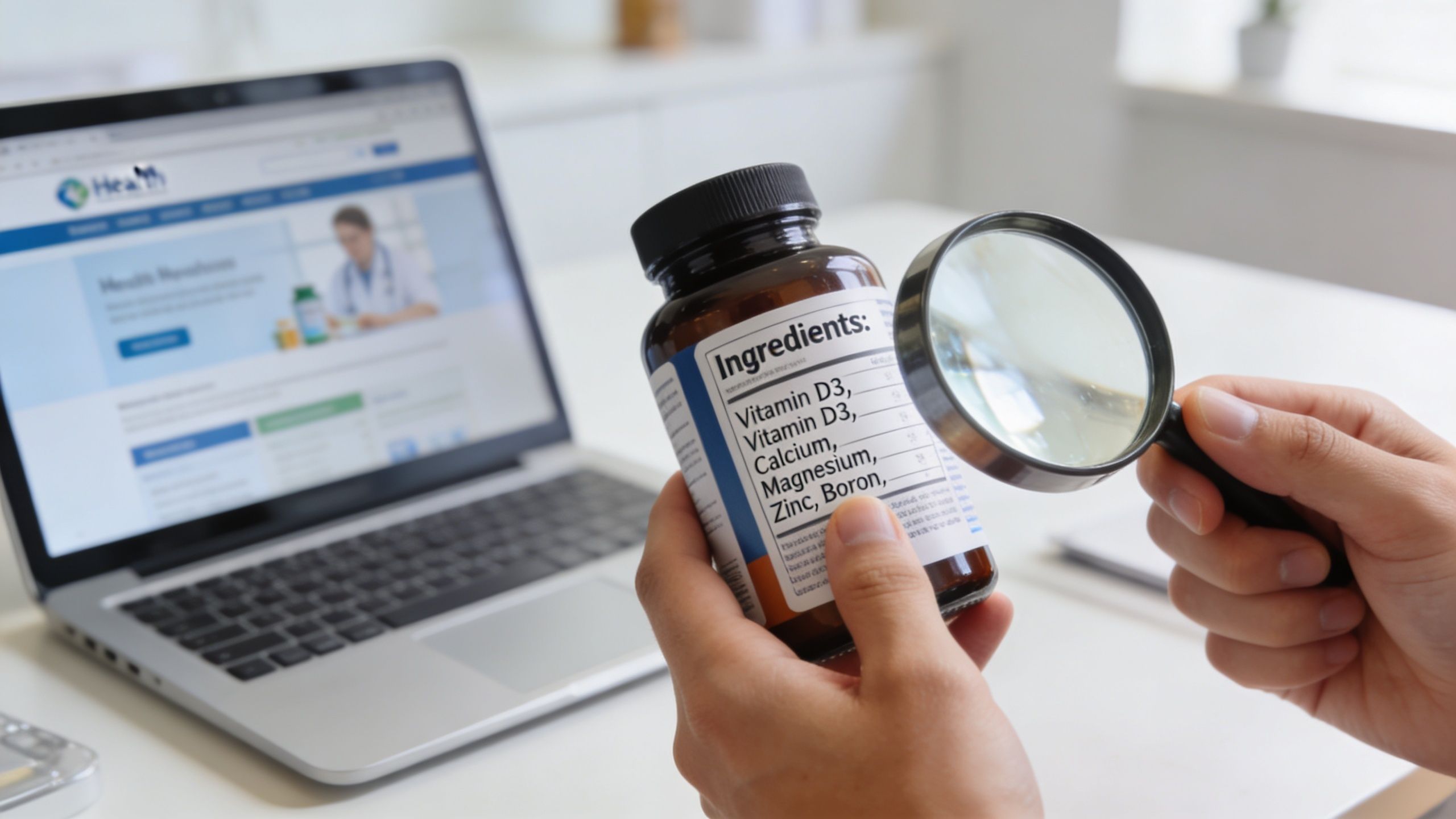
Label features that matter more than marketing
A strong GLP-1 supplement label should answer basic questions fast. What’s the ingredient? How much is in a serving? Is the extract standardized? Is the product third-party tested?
Red flags are equally obvious once you know them:
- Proprietary blends that hide the amount of berberine, probiotic strains, or plant extracts
- Vague claims like “metabolism activation” or “GLP-1 optimization” without a mechanism
- No testing information for purity or contaminants
- No extract details for ingredients where standardization matters
For athletes, this matters more than it does for a casual consumer. You’re more likely to stack supplements, train intensely, and care about appetite timing around sessions. A low-transparency formula creates more uncertainty than benefit.
A deeper guide to spotting legitimate supplements and label red flags helps, but the short version is simple: if the brand hides the dose, assume the formula gets weaker as the marketing gets louder.
A practical safety protocol for stacking
The most overlooked risk in this space is blood sugar dropping too far, not a supplement “not working.” Anytime Fitness highlights that berberine can lower blood sugar enough to raise hypoglycemia concerns when combined with high-intensity training, and notes that standard use at 1 g/day can significantly reduce fasting blood sugar while advising fitness enthusiasts to start at 500 mg, monitor blood glucose if possible, and prefer third-party tested products in their discussion of natural GLP-1 support for gym-goers.
That changes how I’d approach stacking.
- Start with one variable. Don’t add berberine, a new fat burner, and a stim-heavy pre-workout in the same week.
- Place training first. If appetite control improves but your sessions feel flat, shaky, or underfueled, the stack isn’t helping.
- Track objective feedback. Blood glucose, hunger patterns, recovery feel, and workout output matter more than “clean energy.”
- Be extra careful around hard sessions. If a product alters glucose handling, the wrong timing around intervals, circuits, or long sessions can backfire.
Here’s a useful explainer before you experiment further:
If you need a stimulant to feel normal, intra-workout carbs to avoid crashing, and a “GLP-1 booster” to curb the rebound hunger you created, the stack is solving problems the stack caused.
The best protocol is boring. Start low. Use transparent products. Keep food intake consistent enough to notice what changed. Treat appetite and blood sugar like performance variables, not side notes.
Frequently Asked Questions About GLP-1 Supplements
Can GLP-1 supplements replace prescription medication
No. Supplements and prescription GLP-1 drugs don’t operate in the same league. A supplement may support endogenous signaling or improve satiety indirectly. A prescription medication acts much more directly and predictably. If someone needs medical treatment for obesity, diabetes, or metabolic disease, supplements aren’t a substitute.
How long should you test a supplement before judging it
Long enough to separate signal from noise, but not so long that you ignore bad feedback. In practice, judge it against stable habits: similar calories, similar training, similar sleep, similar meal timing. If hunger, digestion, or training quality become inconsistent, the experiment is already compromised.
A good test period should answer practical questions such as:
- Did appetite become easier to manage
- Did meal timing feel better or worse around training
- Did energy and recovery stay intact
- Did the product justify its label transparency and cost
What supports GLP-1 besides supplements
For most athletes, food structure and training do more than any capsule. Protein-rich meals, fiber-rich foods, and meals built to avoid chaotic swings in hunger usually outperform trend-chasing stacks. Exercise itself is also a major part of the picture, and general advice often underrates that.
The highest-value approach looks like this:
- Build meals around protein first
- Add fiber and whole-food carbs that you tolerate well
- Use fats strategically for satiety
- Keep training hard enough that appetite regulation works with you, not against you
- Add supplements only after the basics are repeatable
The best supplements that increase glp 1 don’t rescue a sloppy system. They make a solid system slightly better.
RxGainz publishes practical, no-hype breakdowns for lifters and health-minded athletes who want to evaluate supplements the same way they evaluate training programs. If you want deeper guides on evidence quality, label transparency, testing, and performance-focused nutrition, explore RxGainz.
