

Gut Health
Probiotics, Prebiotics & Enzymes for Digestion, Immunity, and Energy
What Is Gut Health?
Gut health refers to the balance and function of the digestive system and the trillions of microorganisms living inside it. These microbes influence digestion, immunity, nutrient absorption, inflammation, metabolism, and even mental health through the gut-brain axis.
Probiotics replenish beneficial bacteria, prebiotics feed them, and digestive enzymes break down food more efficiently — together promoting smoother digestion, reduced bloating, and stronger overall wellness.

Key Compounds
Probiotics (Lactobacillus, Bifidobacterium): Restore beneficial gut bacteria, improve digestion, and support immune function.
Prebiotics (Inulin, FOS, GOS): Specialized fibers that feed healthy microbes and improve microbiome diversity.
Digestive Enzymes (Amylase, Protease, Lipase): Break down carbs, proteins, and fats for better nutrient absorption and reduced bloating.

Common Forms
Capsules, powders, fermented beverages, chewables, and digestive enzyme blends.
Many gut formulas combine Probiotics + Prebiotics + Enzymes for complete digestive support.

Why It Matters
A healthy gut influences far more than digestion — it impacts immunity, energy production, metabolism, mood, and inflammation.
Stress, poor diet, antibiotics, alcohol, and aging disrupt the gut microbiome.
Supplementation rebuilds balance, supports nutrient absorption, and enhances digestive comfort.
How Gut Health Supplements Work in the Body
- Probiotics repopulate beneficial bacteria that improve digestion, immunity, and gut barrier strength.
- Prebiotics fuel these microbes, promoting diversity and long-term gut balance.
- Digestive enzymes break down macronutrients more efficiently, reducing gas, bloating, and indigestion.
Together, they enhance nutrient absorption, stabilize inflammation, and support the gut–brain connection for better mood and focus.
🧪 Reference: NIH – Gut Microbiome & Health (https://www.ncbi.nlm.nih.gov)
Who Should Use or Avoid Gut Health Supplements
Avoid if:
- You have severe immunocompromise (consult a doctor before probiotics)
• You’re sensitive to high-fiber prebiotics (start low)
Best for:
- People experiencing bloating, gas, constipation, or irregular digestion
- Those recovering from antibiotics
- Individuals with stress-related digestive issues
- Athletes needing optimized nutrient absorption
- Anyone looking to improve immunity and inflammation response
How & When to Use Gut Health Supplements Dosage:
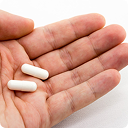
Dosage
- Probiotics: 5–20 billion CFU daily
- Prebiotics: 2–5g daily
- Enzymes: With meals (varies by blend)

Timing
- Probiotics → Morning or before meals
- Prebiotics → Any time of day
- Enzymes → With first bites of meals
.

Stacking Example
- Probiotics + Prebiotics → microbiome synergy
• Enzymes + Ginger → digestion & motility
• L-Glutamine + Probiotics → gut lining + microbiome repair
Benefits of Gut Health Support
Reduces bloating, gas, constipation, and indigestion for smoother, more predictable digestion.
70% of the immune system lives in the gut — healthy bacteria strengthen immunity and inflammation control.
Efficient digestion improves vitamin/mineral uptake and boosts overall daily energy.
A balanced microbiome promotes serotonin production, supporting mood, focus, and mental clarity.
Food Equivalents vs. Supplements
| Nutrient / Compound | Natural Source | Supplement Form |
|---|---|---|
| Probiotics | Yogurt, kefir, kimchi, sauerkraut | Capsules, powders |
| Prebiotics | Garlic, onions, bananas, asparagus | Fiber powders, blends |
| Enzymes | Pineapple (bromelain), papaya (papain) | Enzyme capsules, multi-enzyme formulas |
| L-Glutamine | Beef, eggs, whey | Powders, capsules |
| Postbiotics | Fermented foods | Specialized capsules |
Gender & Age Considerations
Men
Supports metabolism, digestion, and inflammation control.
Women
Helps with bloating, gut motility, and hormone-related digestive changes.
Younger Adults
Useful for stress-related gut imbalance and dietary inconsistencies.
Older Adults
Supports enzyme decline, digestion, and immune function.
Research Highlights & Expert Perspectives
- Experts highlight the microbiome’s role in immunity, mental health, and digestion.
Dr. Andrew Huberman covers probiotics for stress, digestion & mood — Huberman Lab (https://hubermanlab.com)
Dr. Rhonda Patrick discusses microbiome diversity and its impact on inflammation — FoundMyFitness (https://foundmyfitness.com)
PubMed studies confirm probiotics, prebiotics, and enzymes improve digestion, immunity & gut barrier function — (https://pubmed.ncbi.nlm.nih.gov)
Discover Recommended Products
Coming Soon
RXGainz Sleep & Recovery Stacks
Coming Soon
RXGainz Sleep & Recovery Stacks
Drawbacks, Risks, and Side Effects
Mild gas or bloating is common during the first few days as the microbiome adjusts to new probiotic or prebiotic intake.
High-dose prebiotics (inulin, FOS) can cause temporary digestive discomfort — start low and increase slowly.
Probiotics may not be appropriate for people with severe immune suppression or critical illness — consult a physician first.
Not all probiotic strains survive stomach acid or reach the gut; choose clinically studied, enteric-coated, or high-CFU products from reputable brands.
Quick-Guide Summary
✔ Probiotics + Prebiotics = microbiome synergy
✔ Enzymes help break down food for better comfort
✔ Start low if sensitive to fiber
✔ Consistency is key for gut health
Best Practices & Safety
- Choose multi-strain probiotics with at least 5–20 billion CFU
• Start slowly with prebiotics to avoid gas
• Take enzymes with meals for best results
• Look for third-party tested supplements
• Maintain a diet rich in whole foods and fermented items
FAQs
How long until gut health supplements work?
1–3 weeks for digestion; 4–8 weeks for microbiome balance.
Can I take probiotics every day?
Yes — daily use supports consistent gut health.
Can I take probiotics and enzymes together?
Absolutely — they work on different digestive pathways.
What’s the difference between probiotics and prebiotics?
Probiotics = live good bacteria; Prebiotics = food for those bacteria.